
Culture & curiosities · Homemade coffee
Homemade coffee: the quiet ritual of beans and mornings
Freshly ground beans, water just off the boil, slow spiral pours, moka pots gurgling on the stove and a shelf that slowly becomes a shrine: homemade coffee is one of those rituals that costs almost nothing and gives a lot. Here are twelve chapters on beans and grinders, pour-overs and presses, milk rituals and coffee corners — and on that moment, known to every coffee drinker, when the first sip makes a truce with the day.
Cultural, evocative text. The photographs are generated illustrations.
Why homemade coffee wins people over
A kitchen that smells of freshly ground beans at six in the morning, a mug that fits the hand exactly right, the small ceremony of the first sip before anyone else is awake: homemade coffee isn't a drink, it's a ritual. Few daily habits give so much for so little — beans, water, heat, and ten quiet minutes.
And it never stops working its charm: the first good cup you make for yourself is remembered for years, the second-best cup you make for a guest starts a friendship, and the smell of coffee alone has convinced more people to get out of bed than any alarm clock ever made. Making coffee at home brings out something almost ceremonial — the satisfaction of having built, with two hands, the best part of the day.
The beans: where flavor actually starts
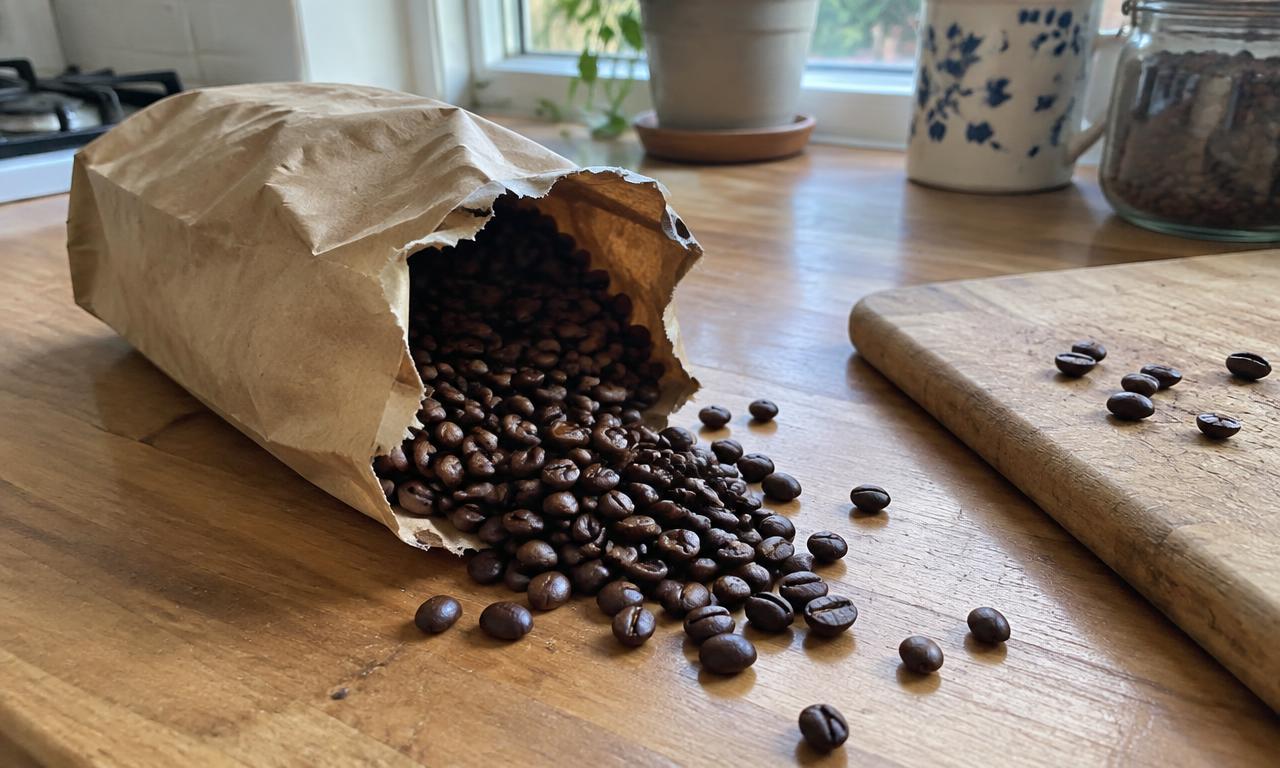
Every cup begins with a choice that looks modest and isn't: the beans. Light roasts taste brighter and fruitier; medium roasts land in the comfortable middle where most mornings live; dark roasts go bold, smoky, and unapologetic. Coffee people argue about roast levels the way sports fans argue about lineups.
The honest advice heard in every home kitchen: buy whole beans, in small bags, and check the roast date on the way in — not a best-before date, the roast date. A fresh bean is simply one that was roasted weeks, not months, ago. Everything else is taste, discovered one cup at a time.
The grinder: the upgrade nobody regrets
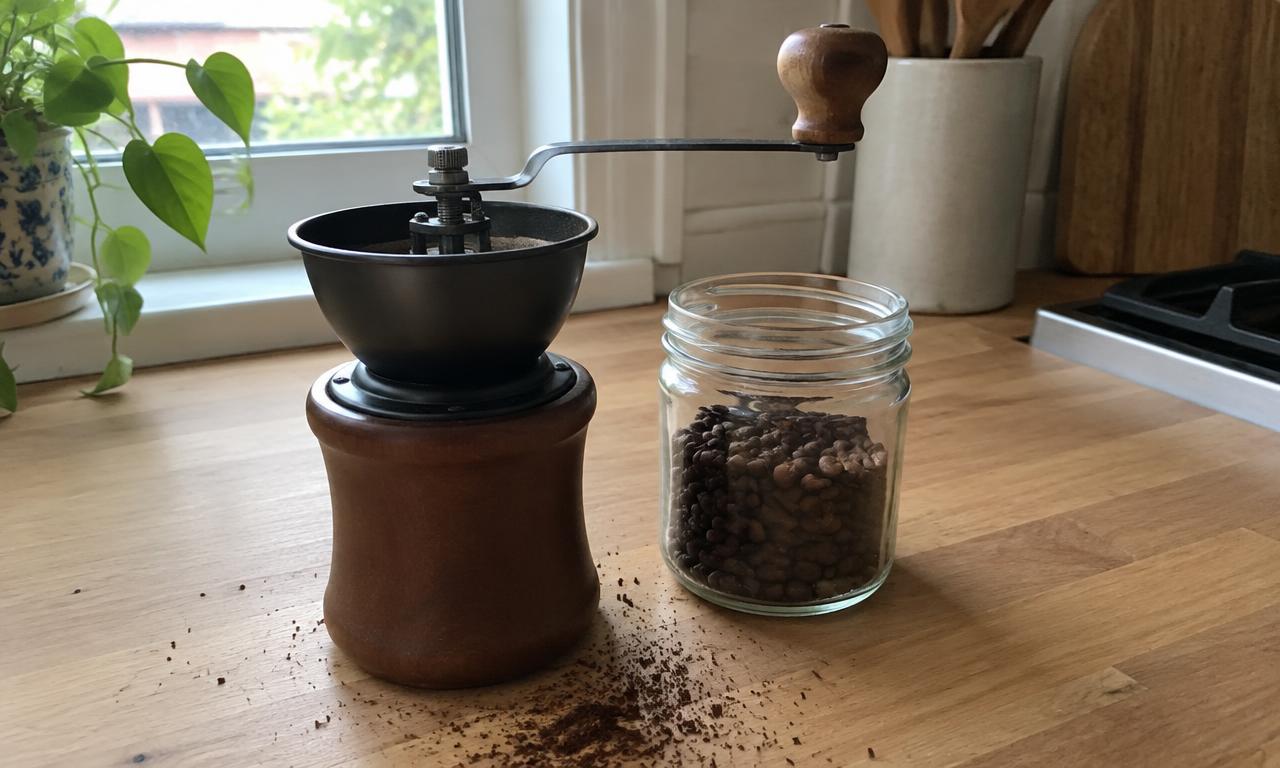
If there is one piece of advice every home brewer repeats like a proverb, it's this: grind fresh, and grind well. Pre-ground coffee starts losing its aroma the moment the bag is opened, and by the end of the week it smells like the cupboard instead of the cup.
Burr grinders crush the beans evenly; blade grinders chop them hopefully. Evenness matters more than price — an even grind extracts evenly, which is the difference between a cup that tastes like coffee and one that tastes like an apology. A quiet hand grinder on the counter also turns out to be oddly pleasant: two minutes of cranking that feel less like work and more like winding up the morning.
Water: the forgotten ingredient
Coffee is ninety-eight percent water, which is either obvious or a revelation depending on how many bad cups you've drunk. Water that tastes odd on its own will make coffee that tastes odd too; filtered water from a simple jug fixes more home-brewing problems than any expensive gadget ever has.
Temperature matters more than anyone expects: just off the boil — around thirty seconds after the kettle clicks — is the sweet spot. Boiling water scorches the grounds and pulls out bitterness; water that's too cool leaves the cup flat and shy. Somewhere in between, the coffee opens up.
The pour-over: patience in a spiral
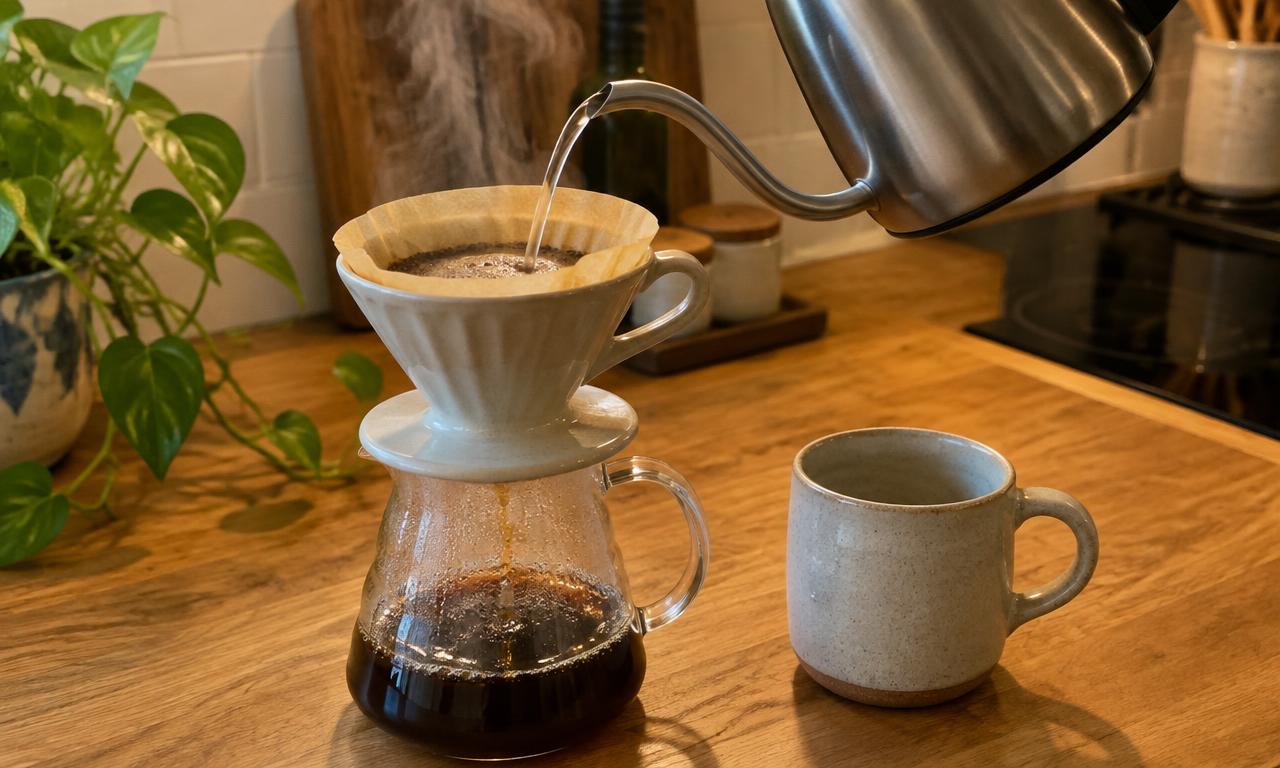
Pour-over coffee is the quietest method and the most instructive: hot water poured in slow circles over grounds in a paper filter, watching the coffee bloom and settle. Nothing about it is difficult; everything about it rewards attention. The first thirty seconds — the bloom — tell you how fresh the beans are, puffed up and bubbling like a small, fragrant science experiment.
Brewers learn the spiral pour here: wet all the grounds, never pour the same spot twice, let the water level fall between pours. It takes four minutes and feels like a meditation. People who claim they don't have time for pour-over are usually just describing how badly they need it.
The french press: forgiveness in a cylinder
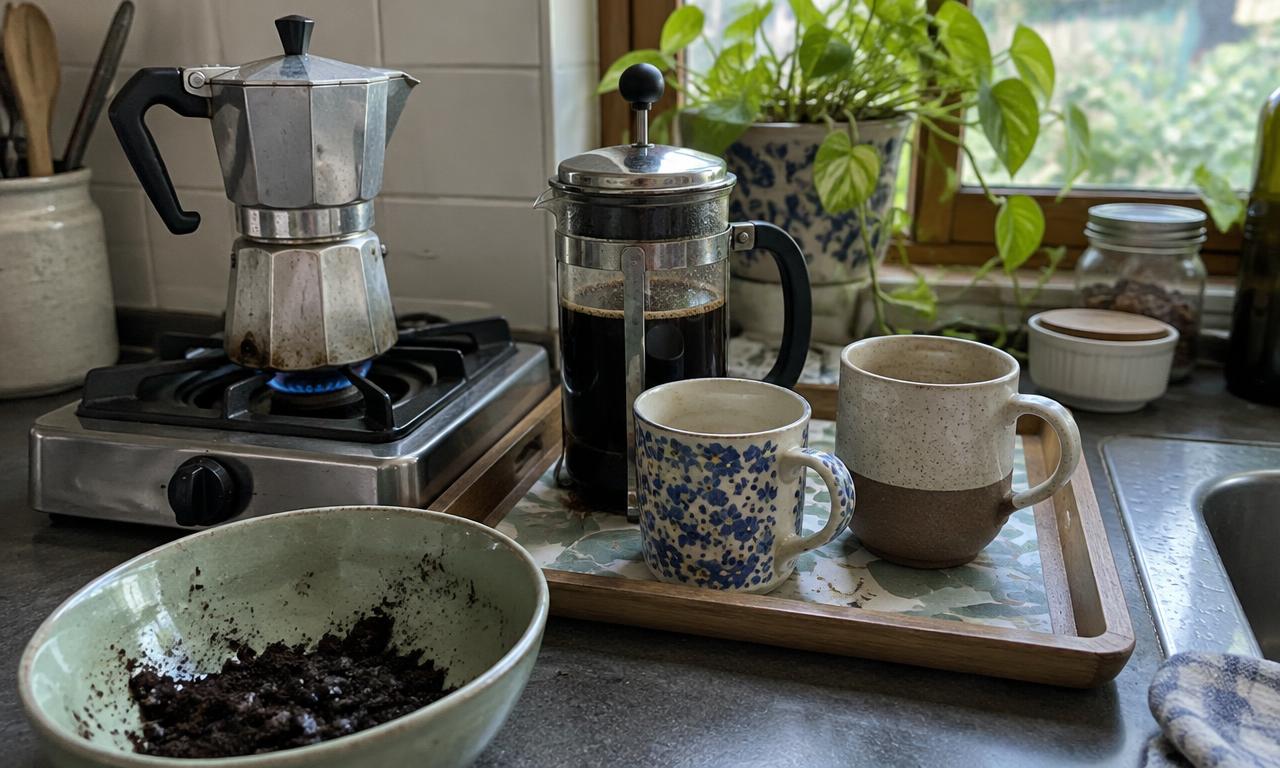
The french press is the most forgiving method in the kitchen: coarse grounds, hot water, four minutes, press. No paper filter, no pouring technique, no timer more precise than a glance at the clock. It makes a full-bodied cup with a texture the paper-filter methods can't quite copy.
Its one secret is knowing when to stop: press slowly, pour promptly, and don't let the coffee sit on the grounds while you wander off. A french press left waiting turns bitter on its own — which is less a flaw than a gentle lesson in drinking your coffee while it's good.
The moka pot: the loud old friend
Every kitchen with an Italian grandmother in its history has a moka pot, dented and unkillable, gurgling on the stove like it's telling a story. It makes a strong, dense cup halfway between coffee and espresso, and it has survived seventy years of trends without changing a single screw.
The rules are simple and slightly folkloric: water up to the valve, medium heat, lid closed, and remove it the moment the gurgle turns from a roar to a sigh. Leave it too long and it hisses its disapproval; get it right and the whole kitchen smells like a café in Naples at seven in the morning.
Milk, foam and the rituals in between
Not every cup is black, and the home barista's arsenal is wonderfully low-tech: milk heated in a small pan until it steams but never boils, frothed with a plunger whisk or shaken in a jar with more enthusiasm than skill. A spoonful of foam turns an ordinary coffee into an occasion.
Families develop their own liturgies here — cinnamon in November, a drop of vanilla in the winter, cardamom for guests who deserve to be impressed. None of it is necessary; all of it is tradition, and homemade coffee traditions are passed down with the same seriousness as recipes.
The first sip of the morning
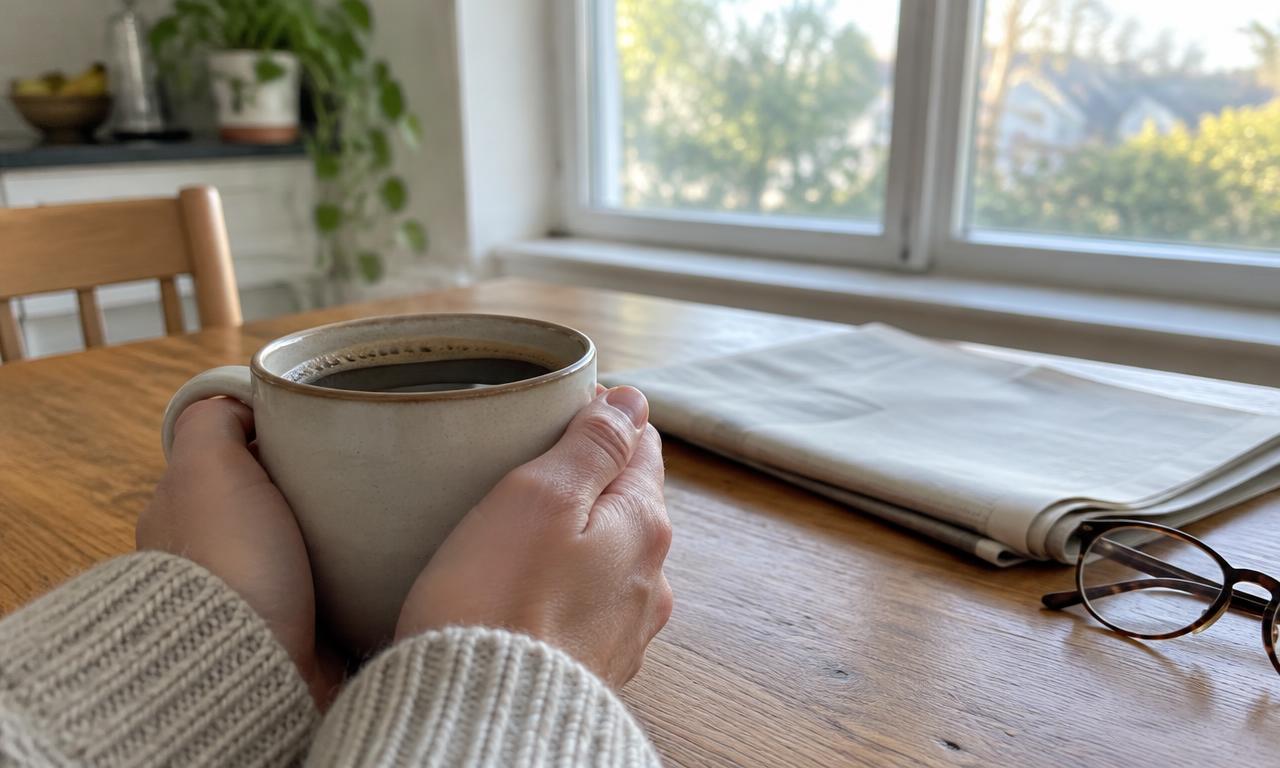
Every coffee drinker knows the moment: the cup is filled, carried to a chair by the window or to the same spot at the table, and the first sip is taken in a silence that feels almost official. It isn't really about the caffeine — it's the handshake between you and the day.
Regulars swear the ritual matters more than the recipe: the same mug, the same chair, the same small pause. Miss it once and the whole morning runs slightly off its rails, which says less about the coffee and more about how much we depend on the small ceremonies we build for ourselves.
The corner that becomes a ritual
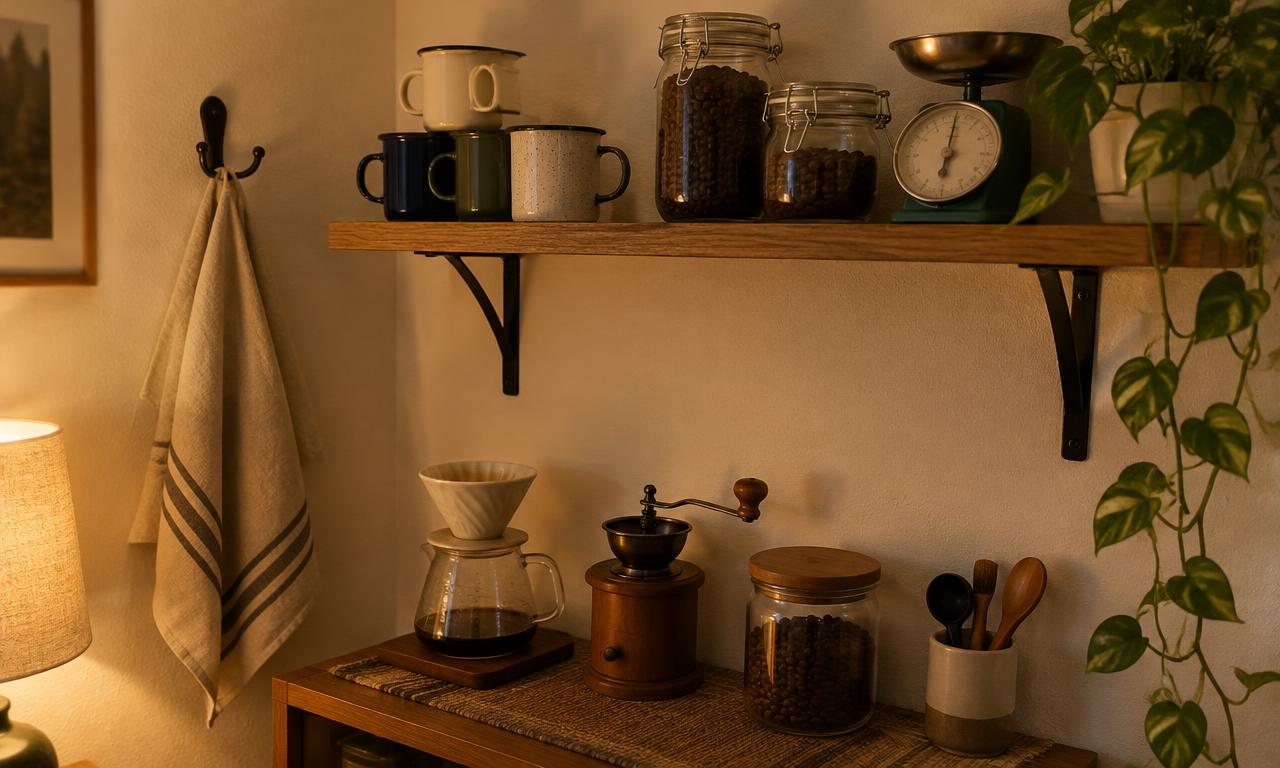
Give it a few months and any kitchen grows a coffee corner: one shelf where the jars, the grinder, the mugs and the little tools accumulate until it looks less like storage and more like a shrine. Guests notice it before anything else on the counter.
The corner earns its place honestly — everything needed for the morning lives within arm's reach, and the routine gets faster and more pleasant each week. Some people organize their whole kitchen around it, which sounds excessive until you visit them at seven in the morning and watch the whole thing run like a small, well-loved machine.
Keeping beans fresh (and the grounds useful)
Beans hate air, light, heat and humidity — basically everything a kitchen offers them. An airtight jar away from the stove keeps them happy for a couple of weeks; the freezer, in small portions, takes care of anything that will last longer. Buying smaller bags more often beats hoarding a big one every time.
And the spent grounds never go to waste in a well-run kitchen: they fertilize the plants, deodorize the fridge, scrub the stubborn pan, and exfoliate — allegedly — more elbows than anyone admits. A homemade cup of coffee ends its life usefully, which is more than can be said for most things in the house.
Sharing the cup
The last ritual is the oldest one: coffee made for someone else. A pot on when a friend drops by unannounced, a thermos filled for a long drive, a second mug produced before anyone has to ask. Hospitality, in most of the world, is measured in cups of coffee.
That's the quiet genius of making coffee at home — the café sells the drink, but only a kitchen can serve the version that comes with an unmade bed, a dog under the table and no clock anywhere in sight. No machine, however good, has ever replicated that.
In short
Beans, water, heat and a few minutes: homemade coffee promises nothing it can't keep and asks for little in return — fresh grounds, water just off the boil, and the patience to let the cup finish its work. Between the first grind and the last sip, it fills a kitchen with smells, gurgles and small ceremonies that no café can sell. Maybe that's the real secret: coffee made at home isn't better because of the beans. It's better because someone was home.